Imagine a world where data center technicians never use a screwdriver, server racks are cooled by the freezing vacuum of space, and infrastructure maintenance is managed by autonomous code from thousands of miles away. This isn't science fiction—it is the rapidly unfolding reality of enterprise IT. Driven by a crushing mix of terrestrial energy shortages, explosive AI demands, and rising geopolitical vulnerabilities, tech giants are actively preparing to move our digital infrastructure off-planet. For enterprise IT leaders and Third-Party Maintenance (TPM) providers, the rules of hardware lifecycles, risk management, and operational uptime are about to be completely rewritten.
What is Happening Now: The Earth-Bound Bottleneck
The data center industry is hitting a critical inflection point on Earth. A staggering $260 billion in terrestrial data center investments have faced abrupt cancellations or severe delays due to local community backlash and grid capacity limits. This has left new projects stranded by a two-to-three-year backlog for vital electrical components like high-voltage transformers.
At the same time, digital infrastructure has officially emerged as the "iron heart" of modern warfare. This vulnerability was sharply highlighted by devastating drone strikes targeting and shutting down critical Yandex data center hubs.
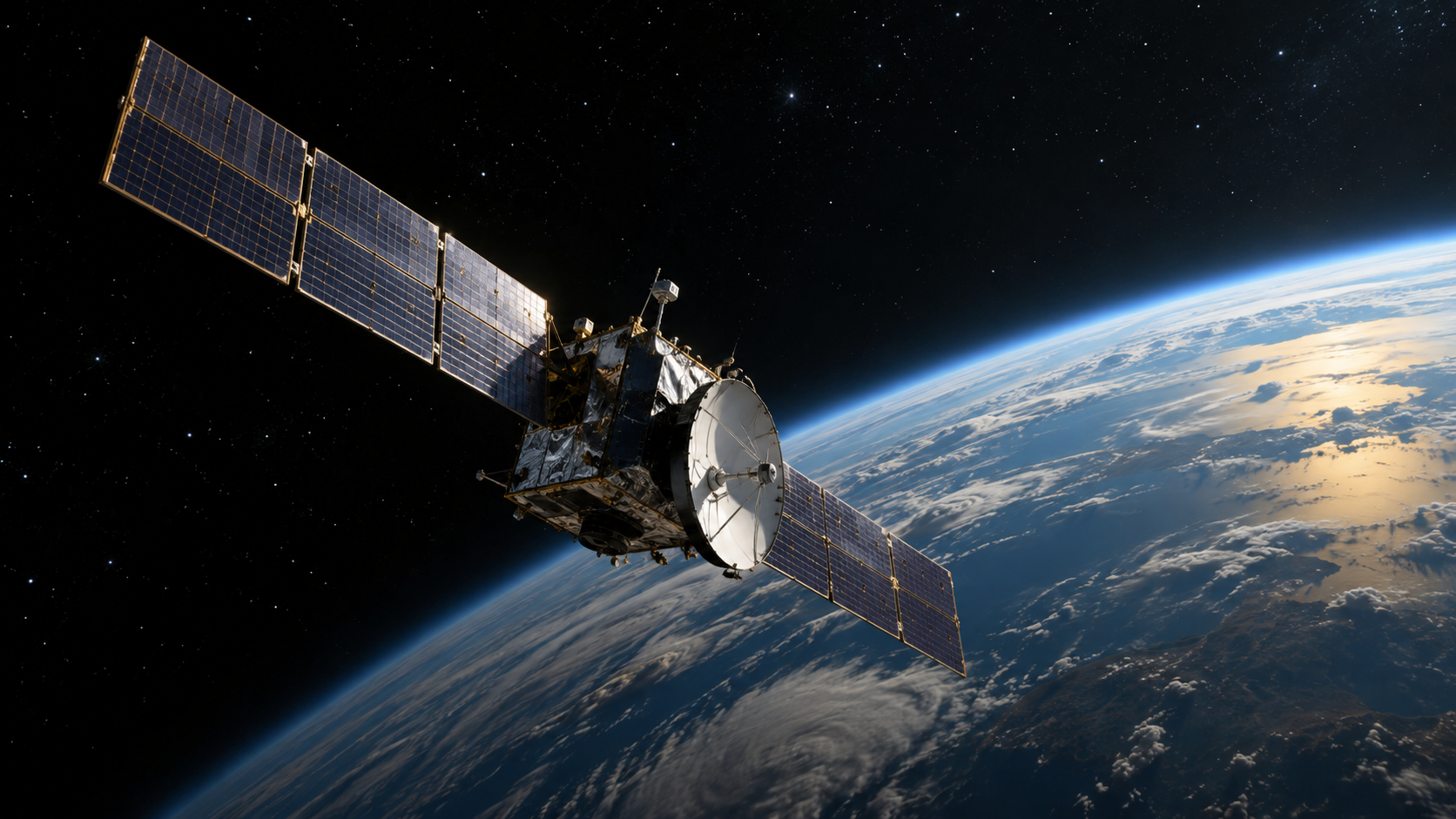
To escape these earthly bottlenecks, Google and Planet Labs successfully launched an experimental AI data center satellite into low Earth orbit. Packing Google TPUs, this refrigerator-sized prototype is actively processing its first orbital AI workloads. The mission is proving that computing infrastructure can successfully survive and operate in the cosmic void.
What Could Happen Next: The Rise of Orbital Constellations
This successful launch offers a glimpse into a highly automated, off-planet future. Over the next decade, we could see these single-server prototypes scale into massive, solar-powered orbital satellite constellations linked together by high-speed laser communications.
Instead of physical technicians replacing parts, third-party maintenance vendors will likely generate billions of dollars through "software-defined" maintenance. This environment will rely on advanced AI software to predict radiation damage and autonomously reroute workloads around failing microchips.
On Earth, providers will shift toward maintaining complex laser ground stations. Meanwhile, elite aerospace logistics firms may deploy robotic servicing satellites to dock with orbital servers. These autonomous robots will upgrade battery packs and processing units directly in space.
What This Means for Enterprise IT & TPM
This orbital shift triggers immediate, tangible consequences back on Earth. Because building new terrestrial data centers has become a bureaucratic and electrical nightmare, companies must maximize their existing hardware lifecycles far beyond traditional OEM support timelines.
- Lengthened Refresh Cycles: Infrastructure managers are being forced to rely heavily on predictive maintenance to keep older, ground-based servers running flawlessly.
- Shifting Budgets: Capital is moving away from frequent expenditures on new hardware toward extending the lifespan of current infrastructure.
- New Downtime Dynamics: When space-based computing eventually scales, downtime prevention will depend entirely on software resiliency, remote firmware patching, and flawless hardware-software integration rather than local parts availability.
Where Extended Tech Solutions (ETS) Fits
This is precisely where Extended Tech Solutions (ETS) bridges the gap between today’s physical constraints and tomorrow’s software-driven future. As enterprise IT leaders struggle to balance grid limitations and delayed hardware rollouts, ETS provides the crucial engineering expertise needed to optimize and extend the lifespan of your current infrastructure.
We connect directly to these emerging challenges by specializing in:
- Predictive Analytics: Deploying advanced systems to prevent terrestrial downtime before it happens.
- Hybrid Environment Management: Navigating the complexities of bridging current infrastructure with next-generation setups.
- Automated Remote Architecture: Transitioning legacy systems toward highly automated, remote-managed architectures.
ETS ensures your operations remain uninterrupted. We deliver the low-level system integration, firmware optimization, and high-reliability engineering required to keep your data flowing seamlessly—whether your servers are sitting in a local warehouse or orbiting thousands of miles above the planet.