Enterprise IT maintenance costs are increasing rapidly as businesses expand infrastructure to support AI workloads, cloud applications, high performance storage environments, and growing data center demands. For many organizations across the United States, maintaining servers, storage systems, and network hardware through OEM contracts is becoming increasingly expensive.
This is why businesses are actively searching for smarter alternatives through Third Party Maintenance (TPM).
A well planned TPM strategy can help enterprises reduce operational costs, extend hardware lifespan, improve infrastructure flexibility, and avoid unnecessary hardware refresh cycles. In many cases, businesses report savings between 40% and 70% compared to traditional OEM support contracts.
This third party maintenance pricing guide explains how TPM pricing works, what businesses typically pay in 2026, hidden infrastructure costs many organizations overlook, and why enterprises are rapidly shifting toward more flexible support models.
Businesses evaluating IT cost optimization strategies are increasingly exploring support alternatives through Extended Tech Solutions for enterprise infrastructure management.
What Is Third Party Maintenance in IT?
Third Party Maintenance is an independent IT infrastructure support service provided outside original equipment manufacturers such as Dell, Cisco, IBM, HPE, and NetApp.
TPM providers support:
- Enterprise servers
- Storage systems
- Network hardware
- Data center equipment
- Legacy infrastructure
- EOSL hardware
Unlike OEM support models that often encourage hardware replacement cycles, TPM focuses on maximizing the operational lifespan of existing infrastructure.
This approach helps businesses improve ROI while maintaining stable and reliable IT environments.
Organizations managing aging infrastructure often use EOSL Support Services to extend hardware usability beyond manufacturer support timelines.
Why OEM Maintenance Costs Are Rising in 2026
One of the biggest reasons businesses are exploring TPM is the rapid increase in OEM maintenance renewals.
Several factors are contributing to rising enterprise support costs:
- AI driven infrastructure expansion
- Increasing GPU and server demand
- Data center power and cooling costs
- Shorter OEM support lifecycles
- Expensive licensing requirements
- Hardware supply chain pressures
- Subscription based support models
As organizations continue modernizing infrastructure, annual maintenance contracts are consuming a larger portion of enterprise IT budgets.
With this, infrastructure cost optimization remains one of the top priorities for enterprise IT leaders in 2026.
Why AI Growth Is Increasing Enterprise Maintenance Costs
Enterprise AI adoption is dramatically increasing pressure on infrastructure environments.
As businesses deploy AI powered applications and data intensive workloads, organizations are experiencing:
- Higher server utilization
- Faster storage consumption
- Increased networking complexity
- Growing cooling and energy demands
- Higher infrastructure renewal costs
Many businesses are now balancing two priorities simultaneously:
- Investing in AI ready infrastructure
- Reducing unnecessary operational spending
This is one reason the third party maintenance pricing guide has become increasingly relevant for enterprise IT planning in 2026.
Instead of replacing stable infrastructure prematurely, businesses are extending hardware lifecycles strategically while prioritizing AI investments where necessary.
How Third Party Maintenance Pricing Works
TPM pricing depends on several infrastructure and operational factors, including:
- Hardware type
- Infrastructure scale
- Equipment age
- Support response requirements
- SLA agreements
- Geographic coverage
- Multi vendor complexity
Unlike OEM contracts with fixed pricing structures, TPM providers often deliver customized support models aligned with actual business requirements.
This flexibility helps organizations reduce unnecessary spending while maintaining reliable infrastructure coverage.
Typical Third Party Maintenance Costs in 2026
Below is a general pricing comparison between OEM support and TPM services for common enterprise hardware environments.
| Hardware Type | Average OEM Cost Per Year | Average TPM Cost Per Year | Estimated Savings |
| Dell PowerEdge Servers | $4,000 | $1,800 | 55% |
| Cisco Network Switches | $3,200 | $1,400 | 56% |
| HPE Storage Systems | $8,000 | $3,500 | 57% |
| IBM Enterprise Servers | $6,500 | $2,900 | 55% |
| NetApp Storage Arrays | $7,200 | $3,100 | 57% |
Actual pricing varies depending on SLA requirements, hardware configuration, infrastructure size, and support scope.
The third party maintenance pricing guide shows that enterprises managing large environments can potentially save hundreds of thousands of dollars annually.
The Real Cost of OEM Lock In Most Businesses Ignore
Many enterprises assume OEM maintenance is the safest long term option until support renewal costs begin escalating year after year.
What businesses often overlook is the hidden financial impact of vendor lock in.
OEM dependent environments may create:
- Limited infrastructure flexibility
- Forced hardware refresh cycles
- Expensive software dependencies
- Reduced negotiation leverage
- Restrictions across mixed vendor environments
Over time, organizations may end up following vendor driven upgrade timelines instead of operationally necessary upgrades.
Third Party Maintenance helps businesses regain infrastructure control by allowing organizations to extend hardware usability based on performance needs rather than manufacturer sales cycles.
Hidden Costs Businesses Often Overlook
Many organizations focus only on visible maintenance renewal costs while ignoring secondary infrastructure expenses.
Forced Hardware Upgrades
OEMs may recommend replacing infrastructure once hardware reaches End of Service Life.
This can create unnecessary capital expenditures.
Licensing Dependencies
Additional licensing requirements may increase annual operational costs significantly.
Migration Costs
Infrastructure replacement often introduces:
- Downtime risks
- Data migration complexity
- Deployment costs
- Staff retraining requirements
Vendor Management Complexity
Managing multiple OEM contracts can increase operational inefficiencies across enterprise environments.
The third party maintenance pricing guide highlights how TPM helps reduce many of these hidden long term expenses.
How Much Can Businesses Save With TPM?
Savings depend on infrastructure size, hardware age, support scope, and operational requirements.
For example, an enterprise managing:
- 100 servers
- 40 network switches
- 20 storage systems
may reduce annual maintenance spending by tens or hundreds of thousands of dollars through TPM adoption.
Larger organizations with global or multi-site infrastructure often achieve even greater long term savings.
Enterprise TPM Trends in 2026
| Trend | Industry Observation |
| Average TPM savings | 40% to 70% |
| Hardware lifespan extension | 3 to 5 additional years |
| Hybrid OEM + TPM environments | Increasing rapidly |
| AI infrastructure costs | Rising significantly |
| Multi vendor support demand | Growing across enterprises |
Businesses are increasingly prioritizing infrastructure lifecycle optimization and operational efficiency strategies.
TPM vs OEM Support Comparison
| Feature | OEM Support | Third Party Maintenance |
| Annual Cost | Higher | Lower |
| Hardware Lifecycle | Shorter | Extended |
| Upgrade Pressure | High | Lower |
| Multi Vendor Support | Limited | Broad |
| Vendor Lock In | Common | Reduced |
| Contract Flexibility | Restricted | Flexible |
| Infrastructure Control | Limited | Greater |
| Cost Predictability | Moderate | Higher |
This comparison explains why many enterprises are reevaluating traditional support strategies.
Why Hybrid Support Models Are Growing
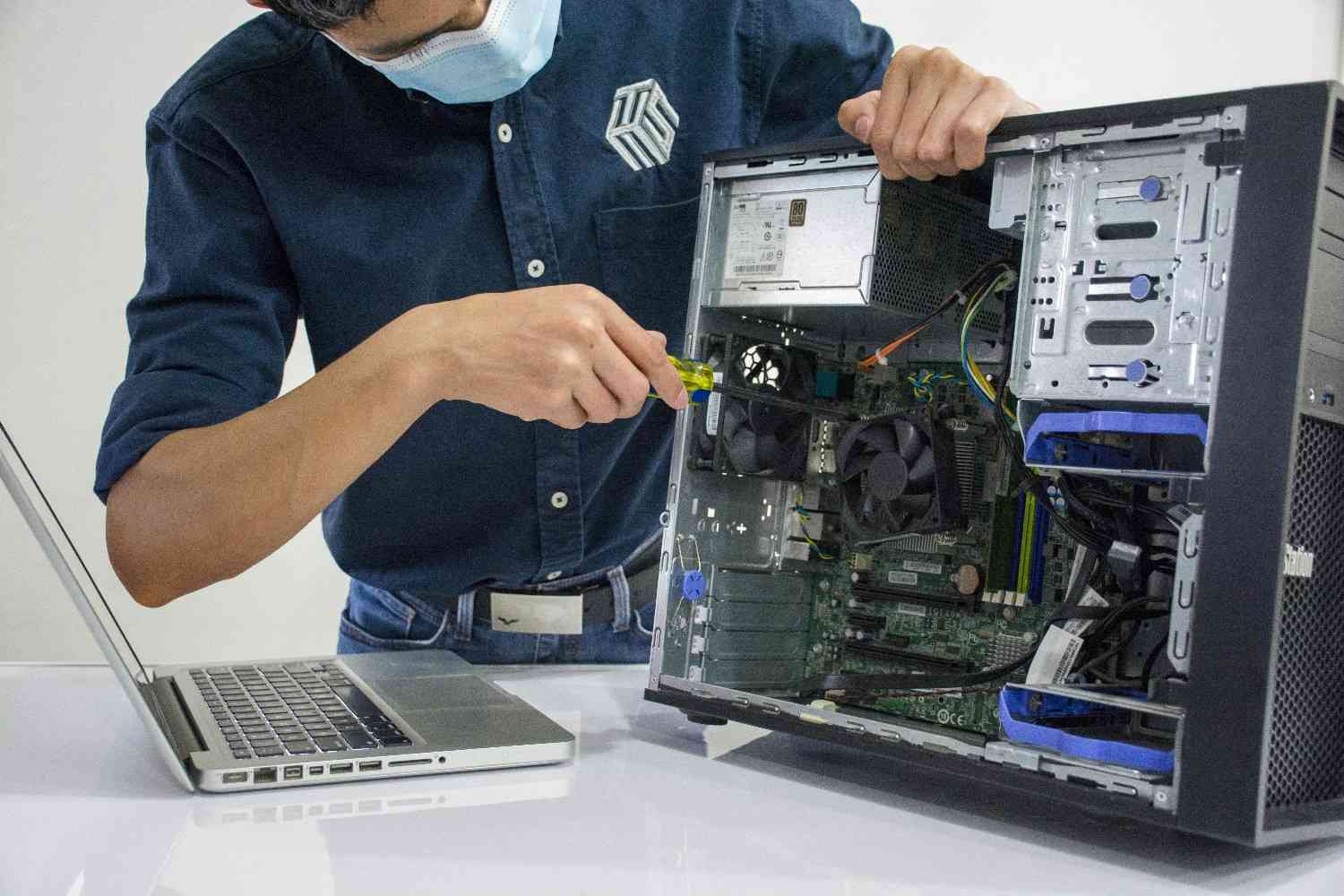
In 2026, enterprises are increasingly adopting hybrid maintenance models.
Instead of relying entirely on one support approach, businesses now combine:
- OEM support for critical systems
- TPM for stable infrastructure
- Customized support coverage based on operational priorities
This allows organizations to optimize costs while maintaining infrastructure reliability.
The third party maintenance pricing guide demonstrates that hybrid models often provide the best balance between performance, flexibility, and budget control.
Why CFOs Are Paying Closer Attention to TPM in 2026
Third Party Maintenance is no longer viewed as only an IT department decision.
CFOs and procurement teams are increasingly evaluating TPM because it directly impacts:
- Operational expenditure reduction
- Infrastructure ROI
- Capital expenditure planning
- IT budget predictability
- Technology depreciation cycles
For enterprises managing large infrastructure environments, TPM can unlock significant financial flexibility without disrupting operations.
This allows businesses to redirect spending toward:
- AI adoption
- Cybersecurity initiatives
- Cloud transformation
- Digital modernization projects
When Does Third Party Maintenance Make the Most Sense?
| Infrastructure Scenario | TPM Suitability |
| Stable legacy infrastructure | High |
| End of Service Life hardware | Very High |
| Multi vendor environments | High |
| Budget constrained organizations | High |
| Recently deployed hardware | Moderate |
| Temporary infrastructure expansion | High |
| AI critical production clusters | Moderate |
This decision framework helps businesses evaluate where TPM can deliver the greatest operational value.
Industries Benefiting Most From Third Party Maintenance
- Healthcare
Healthcare providers rely on TPM to maintain critical infrastructure while controlling operational costs. - Banking and Finance
Financial organizations use TPM to support stable environments and improve budget efficiency. - Manufacturing
Manufacturers often maintain legacy systems connected to operational technologies and production environments. - Education
Universities and institutions use TPM to support large infrastructure environments affordably. - Government
Public sector organizations prioritize infrastructure longevity and operational cost reduction.
Sustainability Benefits of TPM
Sustainability is becoming a major priority in enterprise infrastructure planning.
Third Party Maintenance supports ESG initiatives by helping organizations:
- Extend hardware lifespan
- Reduce electronic waste
- Delay unnecessary hardware disposal
- Lower environmental impact from manufacturing
This makes TPM valuable not only financially, but operationally and environmentally as well.
Common Misconceptions About Third Party Maintenance
- “TPM means lower quality support”
Many TPM providers employ OEM trained engineers and certified enterprise specialists. - “OEM support is always safer”
Many enterprises successfully operate hybrid OEM and TPM environments. - “TPM only supports old hardware”
Modern TPM providers support both active and legacy infrastructure. - “Switching to TPM is difficult”
Most TPM transitions can be implemented gradually without major operational disruption.
How to Choose the Right TPM Provider
Before selecting a provider, businesses should evaluate:
- Multi vendor expertise
- Hardware coverage capabilities
- SLA flexibility
- Response time guarantees
- Spare parts availability
- Global support reach
- Customer support quality
- Infrastructure assessment services
A strong TPM provider should support long term infrastructure goals rather than only short term cost reduction.
Organizations looking for broader infrastructure optimization strategies often explore third party maintenance services for enterprise support planning.
Frequently Asked Questions
Is Third Party Maintenance cheaper than OEM support?
In many cases, TPM services cost significantly less than OEM support contracts while still providing enterprise grade maintenance coverage.
What hardware can TPM providers support?
Most providers support servers, storage systems, network hardware, and legacy enterprise infrastructure.
Can TPM extend hardware lifespan?
Yes. Extending infrastructure usability is one of the biggest advantages of TPM.
Is TPM suitable for large enterprises?
Yes. Many global enterprises use TPM as part of infrastructure cost optimization strategies.
Why are businesses switching to TPM in 2026?
Rising OEM costs, AI infrastructure expansion, operational efficiency goals, and sustainability initiatives are driving TPM adoption.
Final Words
As enterprise infrastructure costs continue rising in 2026, businesses are looking for smarter ways to optimize operational spending without compromising performance or uptime.
A well structured TPM strategy can help organizations:
- Reduce support costs
- Extend hardware lifespan
- Improve infrastructure flexibility
- Avoid unnecessary refresh cycles
- Optimize long term IT operations
If your organization is evaluating alternatives to rising OEM maintenance costs, explore enterprise infrastructure support solutions from Extended Tech Solutions to assess cost reduction opportunities across servers, storage, and network environments.
About The Author: